

New Asset Preservation Brochure Shares Keen Insights Into Industrial Corrosion Control
June 10, 2026
Cortec® Corporation has released an insightful new brochure on VpCI® Preservation Solutions: Innovative corrosion solutions to reclaim your time, money, and assets. Developed after months of careful deliberation, this resource serves as a practical guide to understanding the causes and consequences of corrosion and uncovering preservation solutions that can pay for themselves. Through thoughtful illustrations, flow charts, real-life examples, and video links, Cortec® shows the way forward toward saving significant time and money in the never-ending battle against natural corrosion processes.

What Are the Costs and Causes of Corrosion?
The brochure starts by highlighting the serious need for corrosion protection. Looking at estimates from the Association for Materials Protection and Performance (AMPP), Cortec® reports the direct cost of corrosion at 3.4% of the global GDP, with the possibility of saving 15-35% ($375-$875 billion per year) through appropriate corrosion control. It also notes that an hour of unplanned downtime in the oil and gas sector can cost $200K-600K in lost production, which translates into significant savings for facilities that keep their critical spares in rust-free condition for speedy commissioning. Before looking at possible solutions, the brochure defines corrosion as an electrochemical process that draws refined metals back to their natural state (e.g., iron ore, also known as rust). It then unpacks the essential components of this reaction, providing clues to its prevention.
How Can the Natural Corrosion Cycle Be Broken?
The key to stopping this natural process is to break the “corrosion triangle”: the interconnection between metal, oxygen, and an electrolyte. Cortec® Vapor phase Corrosion Inhibitors do so by adsorption onto metal surfaces inside void spaces, creating a molecular barrier between metal and moisture and/or oxygen. The brochure presents many illustrations of how this has been accomplished in real-life settings around the globe. Examples include
- Restoration of oil and gas spares
- Packaging and preservation of main terminal boxes
- Long-term preservation of vehicle transmissions
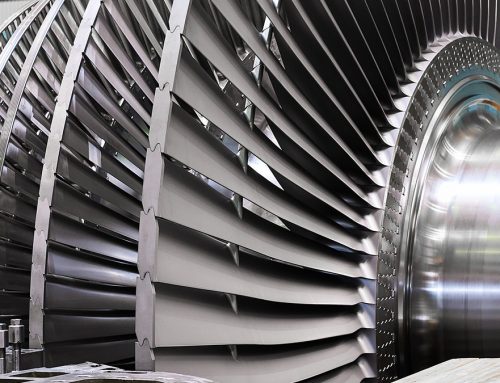
- Steam turbine and generator preservation
Often, these solutions involve a simple combination of proper surface prep, packaging, and/or fogging materials that will allow for easy commissioning later.
Which Industries Can Benefit from Preservation?
Any industry that involves metal can benefit from rust prevention and corrosion control. As outlined in the brochure, key sectors where preservation is commonly needed include the following:
- Oil & Gas
- Warehousing & Critical Spares
- Pipeline Crossings & Aboveground Storage Tanks
- Automotive & Heavy Equipment
- Power Generation
What Should Industries Consider When Doing Preservation?
Cortec’s new preservation brochure not only presents a wide range of practical corrosion solutions but also outlines core principles to help industries navigate the preservation process. One flowchart captures the project life cycle typical for new oil and gas builds yet is relevant for any large multi-year greenfield construction project. These undertakings must look at the big picture:
- FEED (Front End Engineering Design)
- Procurement/OEM (Original Equipment Manufacturer)
- Construction (e.g., stick-built or modular)
- Overseas shipment
- Pre-commissioning/commissioning/start-up
- Critical spares warehouse management
Preservation at each stage streamlines commissioning and later operation by ensuring that no rusty components or systems delay the process.
How Can Industries Preserve Existing Inventory?
For industries already burdened with a warehouse full of compromised spares, restoration is imperative before preservation can begin. Accordingly, Cortec® outlines five basic steps to rust removal, followed by a preservation checklist for clean, dry assets. Facilities like power plants that need to temporarily shut down large boilers, heat recovery steam generators (HRSG), or other vessels can take advantage of practical alternatives to high cost nitrogen blanketing, with no pressurization or dehumidification and little to no monitoring needed.
Where to Start with Asset Preservation
Whatever the industry, the payoffs of rust prevention and preservation can be massive, preserving thousands of dollars of asset value, avoiding costly downtime, and promoting positive customer relationships. For anyone involved in industrial supply chains, construction, maintenance, or warehousing, this brochure presents a practical guide to navigate corrosion concerns with agility. Learn more about minimizing costs and preserving asset value here:
https://www.cortecvci.com/Publications/Brochures/Asset Preservation Brochure.pdf.
Need a High-Resolution Photo? Please Visit: www.cortecadvertising.com
For a PDF version please click here.