

Metal Coating Touchup Tips for Smarter Plant Maintenance
Cortec® Coatings Chemist shares inspection, surface prep, and application strategies to extend coating life.
April 8, 2026
Facility maintenance crews face an ongoing battle to protect metal surfaces from corrosion. Strategies include painting stairs, railings, tanks, and pillars more or less frequently depending on the severity of the environment and the quality of the coating job. As Cortec’s Coatings Chemist, Jake Hemberger, explained, “The more time invested in surface preparation and a well-controlled application, the longer the coating will last and the less likely they will need to revisit the job in the future.” Hemberger recently shared some tips to help maintenance crews achieve that goal on painted metal surfaces.
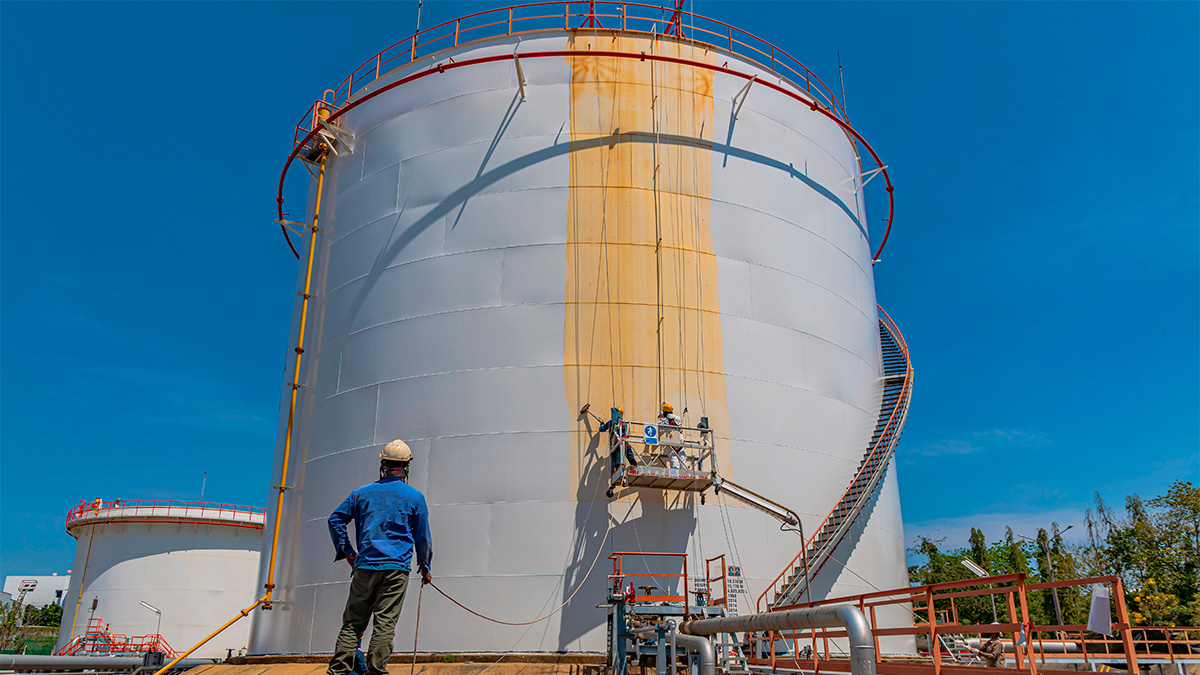
Common Signs of Coating Failure in Industrial Environments
The first key is knowing when a coating needs to be replaced. Hemberger recommended annual inspection, adjusted as needed based on aspects like coating type or traffic levels. “Signs of rust or blistering are the most straightforward indicators,” Hemberger explained. However, he suggested that maintenance teams can stay ahead of the problem by placing a sample coated metal panel in the same environment for easier inspection. Fading is another sign that the paint is aging and may need replacement soon. “It’s not a full alarm, but it is a sign to keep an eye on the coating,” Hemberger pointed out.
Repainting Over Existing Coatings: What Maintenance Teams Need to Know
When it is time to repaint, surface prep is just as important as choosing the right coating—especially if rust has already set in or the paint has failed. Hemberger discouraged painting right over the problem: “If there is a paint failure and one paints directly over it, this may slow the failure, but it will still fail faster than desired.” For localized failure, Hemberger recommended scraping the paint away until uncorroded metal can be found and removing or passivating the corrosion before repainting.
If a coating has not yet failed but shows signs of aging, Hemberger said the best practice is to remove the paint and apply a new system. “However, if that’s not possible, painting over existing paint is still doable, provided the surface is clean, there’s good intercoat adhesion, etc.” He noted that sanding the existing paint is a good way to promote better adhesion between the old and new coats of paint when removal is not possible.
Achieving Longer Results on a Never-Ending Job
Painting is an important part of routine upkeep. It is a job that never completely ends but that can have longer-lasting results with the proper coatings selection, surface prep, and application. Contact Cortec® to get more advice on selecting and applying a rust or paint remover, rust converter, or corrosion inhibiting coating system that might work well with your specific plant maintenance needs.
Keywords: Cortec, industrial corrosion prevention, surface preparation for metal coatings, metal coating maintenance, rust prevention for industrial equipment, protective coatings for industrial maintenance, repainting over existing coatings, signs of coating failure, how often to repaint steel, biobased paint removers
Need a High-Resolution Photo? Please Visit: www.cortecadvertising.com
For a PDF version please click here.