
Rust Prevention or Iron Poisoning? Cortec® Encourages Boiler Operators to Prioritize Proactive Protection
March 17, 2026
Cortec® is urging boiler operators and water treatment service providers to re-examine the critical role of rust prevention as a cost-effective alternative to iron poisoning and heavy condensate polishing loads. Easy-to-use technologies like the Boiler Lizard® and Boiler Egg™ not only support overall asset longevity but also minimize short-term problems from the introduction of corrosion products into boiler water.
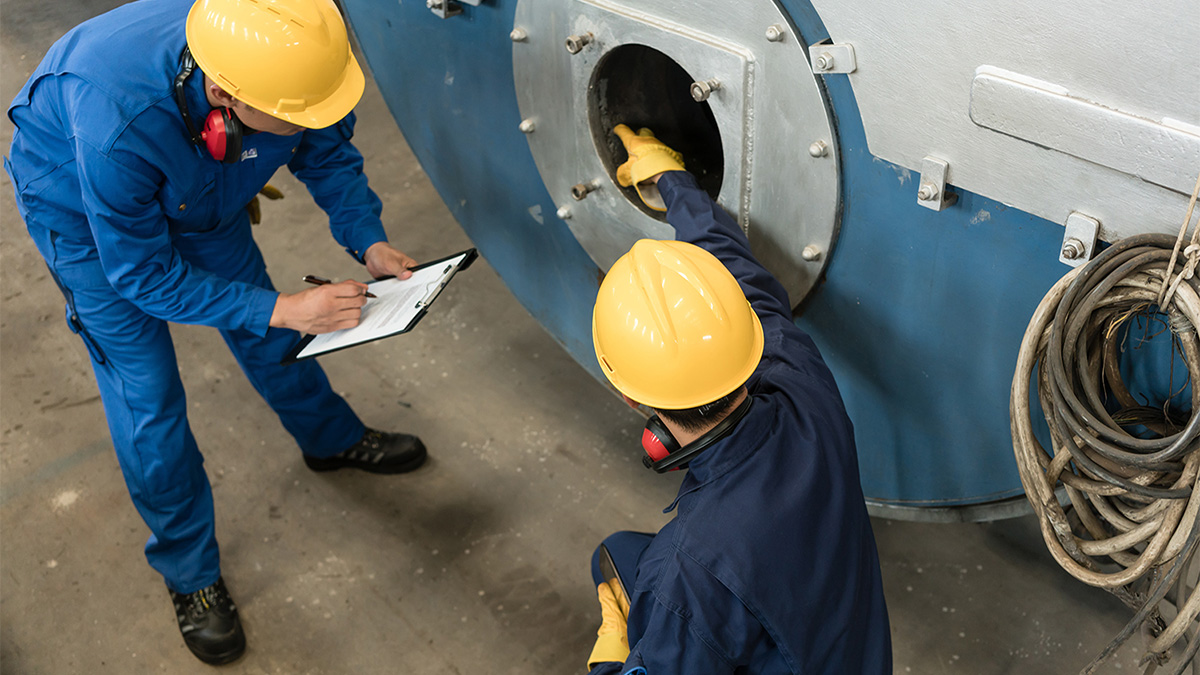
According to Scott Bryan, a Certified Water Technologist and Cortec’s Technical Sales Manager for water treatment, most boiler corrosion problems start when the boiler is offline, sitting idle and inadequately protected from oxygen and residual moisture. “This isn’t just my assessment—improper layup procedures are widely recognized as a leading cause of boiler tube failures. Industry authorities and technical organizations including ASHRAE, EPRI, AWT, . . . and multiple major boiler manufacturers have all repeatedly warned that inadequate layup practices pose a serious and preventable risk to boiler reliability.”
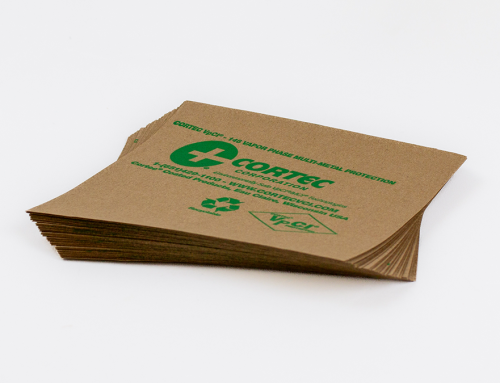
Applying the Boiler Lizard®, Boiler Dragon™, or similar technologies is an easy way to reduce corrosion while the boiler is shut down. These technologies contain Vapor phase Corrosion Inhibitors that adsorb onto metal surfaces, creating a protective molecular layer that remains as long as the boiler is closed. Removal is typically not required at startup—unlike traditional options such as desiccants, which must be taken out before firing the boiler to prevent them from breaking down, circulating through the system, and causing significant operational or mechanical issues. The Boiler Egg™ is designed for startup, introducing a blast of corrosion inhibitors to protect against oxygen pitting at a critical point when makeup water has not reached normal operating chemistry levels or temperatures.
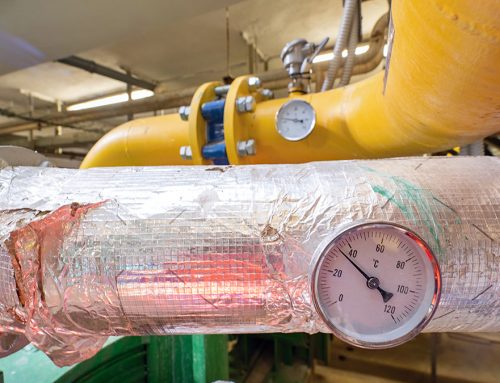
Without adequate prevention, rust that forms during layup and startup may suddenly flake off while the boiler is operating, raising iron levels in the water and threatening its purity and chemistry effectiveness. Corrosion can also create leaks that allow hard water to leak in from other parts of the system and create additional contamination issues. In some steam boilers, these problems are counteracted by condensate polishing, which seeks to remove both iron and scale particles from the condensate before it returns to the boiler. However, this requires extra maintenance and is not always sufficient to handle the full load of iron or scale that operators are trying to capture. Furthermore, corrosion products signal a broader concern about inadequate layup procedures that can gradually diminish the long-term integrity of the system.
By preventing corrosion during layup and startup, boiler operators and service providers can remove a major source of potential iron poisoning and contamination, not only reducing the need for condensate polishing but also contributing to the greater integrity and longevity of the system overall. To learn more about simple, effective corrosion protection methods during the critical phases of layup and startup, visit cortecwatertreatment.com and contact a Cortec® expert for more information.
Keywords: Cortec, boiler corrosion prevention, boiler layup corrosion protection, rust prevention in boilers, iron contamination in boiler systems, vapor phase corrosion inhibitors for boilers, boiler startup corrosion protection, boiler tube corrosion prevention, industrial boiler maintenance best practices, Boiler Lizard
Need a High-Resolution Photo? Please Visit: www.cortecadvertising.com
For a PDF version please click here.